Wheat 12.5% Supplier Guide — How to Buy Premium Milling Wheat from Russia
Looking for a reliable wheat 12.5% supplier? This comprehensive guide covers everything grain buyers need to know: from understanding wheat 12.5% specifications to verifying supplier credentials, comparing FOB vs CIF terms, and navigating export documentation. Whether you're a flour mill in Egypt, Turkey, or Pakistan — this guide will help you source the right milling wheat at the right price.
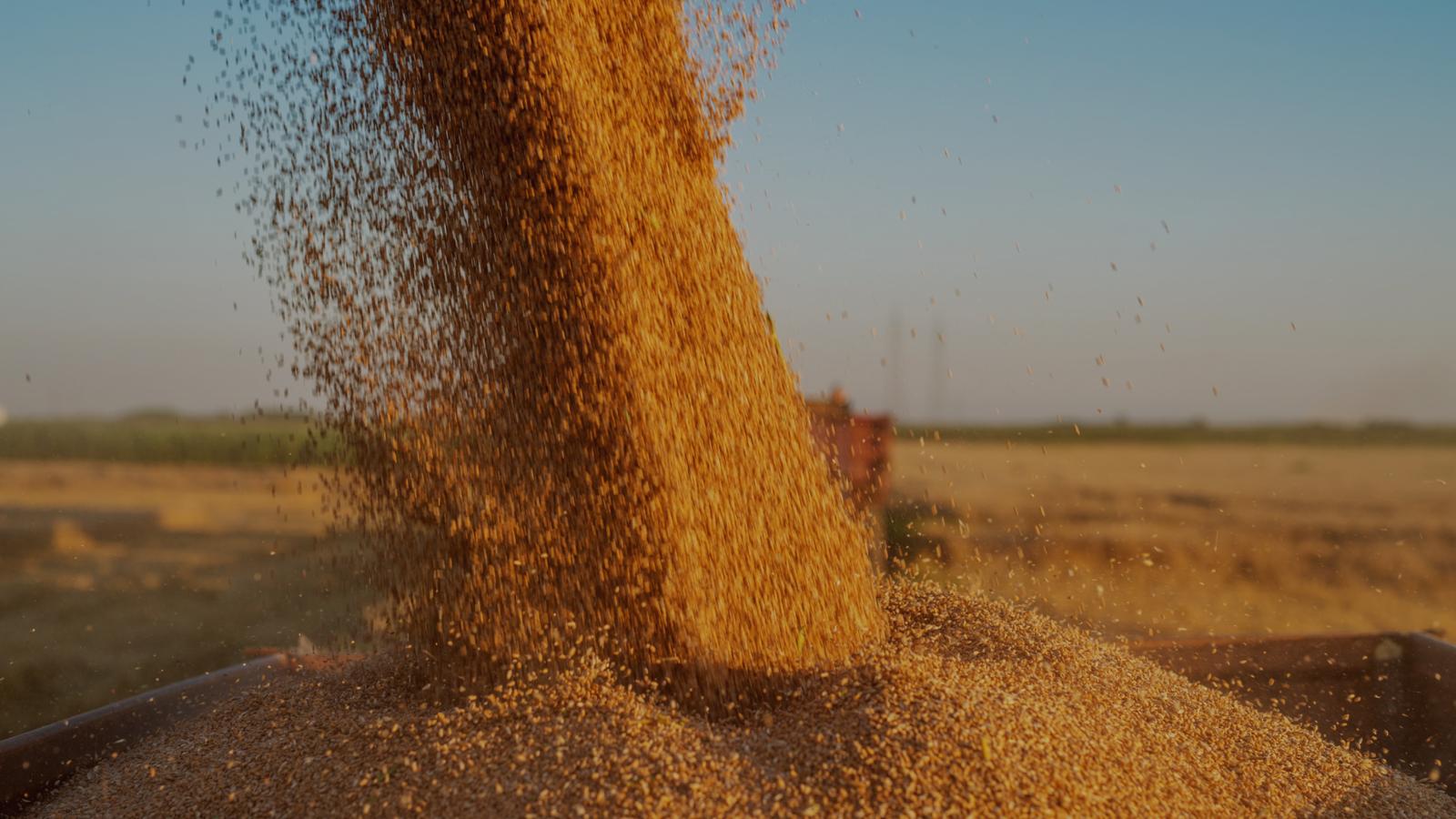
1. What Is Wheat 12.5% Protein and Who Uses It?
Wheat 12.5% protein (also known as medium-protein milling wheat) is the most widely traded grade of bread wheat on the Black Sea market. It is the workhorse of the flour milling industry, offering a balanced combination of gluten strength, extensibility and baking performance.
Primary users of wheat 12.5% include:
- Flour mills — as the base grade for all-purpose flour, bread flour, and flatbread flour (Arabic bread, pita, lavash)
- Industrial bakeries — for pan bread, toast, buns and sandwich bread production
- Food companies — for pasta, noodles and biscuit production (often blended with softer wheat)
- Government procurement agencies — for strategic grain reserves and subsidized bread programs (e.g., GASC in Egypt)
Russia is the world's largest wheat exporter, and wheat 12.5% represents the bulk of its milling wheat exports. The main loading port is Novorossiysk on the Black Sea, which offers competitive freight rates to Mediterranean, Middle Eastern and Asian destinations.
2. Wheat 12.5% Specifications — What to Look For
When sourcing wheat 12.5% from a supplier, you need to understand the key quality parameters. Here is the standard specification for Russian milling wheat 12.5%:
| Parameter | Specification | Why It Matters |
|---|---|---|
| Protein (dry basis, Nx5.7) | min 12.5% | Determines flour strength and bread volume. Higher protein = stronger gluten. |
| Moisture | max 14% | Affects storage stability and milling yield. Lower is better for long voyages. |
| Wet Gluten (ISO 21415-1) | min 26% | Directly affects dough elasticity and bread texture. |
| Falling Number | min 220 sec | Measures alpha-amylase activity. Below 200 = sprout damage risk. |
| Test Weight | min 76 kg/hl | Indicator of grain plumpness and milling yield. |
| Foreign Matter | max 2% | Includes broken grains, weed seeds. Lower = cleaner grain. |
| Bug Damaged | max 1.5% | Sunn pest damage — critical for Middle Eastern markets. |
| W (Alveograph) | min 180 × 10⁻⁴ J | Measures dough strength. Important for French/Mediterranean buyers. |
Always request a pre-shipment sample and SGS inspection report before finalizing contracts. Specifications may vary between crop years and elevator locations.
3. How to Find a Reliable Wheat 12.5% Supplier
Finding the right wheat 12.5% supplier is critical for consistent quality and reliable delivery. Here are the key criteria to evaluate:
Direct vs. Broker
Direct suppliers (like ZERNOTRADE — Demetra Holding) buy wheat from Russian elevators and handle export logistics themselves. This means shorter lead times, transparent pricing, and direct quality control. Brokers add a margin and may not have physical control over the grain.
Track Record
Look for suppliers with documented export history — ask for past Bills of Lading, SGS reports, and buyer references. A supplier with regular shipments to your region understands local import requirements.
Physical Presence
A reliable wheat 12.5% supplier should have a physical presence near the loading port (Novorossiysk, Taman, Kavkaz) or direct contracts with elevator operators. This ensures supply continuity even during peak season.
Financial Stability
Request a Bank Confirmation Letter (BCL) from the supplier's bank. This verifies their financial capacity to fulfill contracts. Established trading groups like Demetra Holding offer additional security through their holding structure.
4. Supplier Verification Checklist
Before signing a wheat supply contract, verify the following:
| Check | What to Request | Red Flag If… |
|---|---|---|
| Company registration | Certificate of Incorporation, tax ID | Company is less than 1 year old |
| Bank reference | BCL (Bank Confirmation Letter) | Supplier refuses or bank is obscure |
| Past shipments | Bills of Lading, SGS reports | Cannot provide any past records |
| Physical presence | Office address near port, elevator contracts | Only a virtual address or P.O. box |
| Payment terms | LC via reputable bank | Requests T/T advance payment only |
| Buyer references | Contact details of past buyers | Refuses to provide references |
| Sample availability | Pre-shipment grain sample | Offers specs only, no physical sample |
5. FOB vs CIF — Which Is Better for Wheat 12.5%?
The two most common Incoterms for wheat 12.5% supply from Russia are FOB and CIF. Here's how they compare:
| Factor | FOB Novorossiysk | CIF Destination |
|---|---|---|
| Who arranges freight? | Buyer | Seller |
| Who pays insurance? | Buyer | Seller |
| Risk transfer | When loaded on vessel | When loaded on vessel (but seller covers freight risk) |
| Price transparency | Higher — you see freight cost separately | Lower — freight is bundled in price |
| Best for | Experienced importers with freight contracts | First-time importers, smaller buyers |
| Typical vessel size | 25,000–60,000 MT | 3,000–60,000 MT |
Recommendation: If you import regularly and have freight agreements, FOB Novorossiysk gives you more control and often a lower total cost. For new importers or irregular buyers, CIF delivery is simpler and reduces logistical risk.
6. Pricing Factors for Wheat 12.5%
The price of wheat 12.5% FOB Black Sea depends on several factors:
- Global supply and demand — production in Russia, Australia, EU, and USA affects world prices. USDA WASDE reports are the key indicator.
- Russian export duty — Russia applies a floating export duty on wheat, which directly affects FOB prices. Check the latest duty rates before negotiating.
- Ruble exchange rate — domestic Russian wheat prices are in rubles; a weaker ruble means lower USD FOB prices.
- Crop year and quality — new crop (September–December) typically offers lower prices than old crop. Higher protein commands a premium.
- Loading period — prompt loading (within 14 days) may cost more than deferred loading (30–60 days).
- Vessel size — larger vessels (Panamax) get lower per-ton freight rates than smaller coasters.
For current wheat 12.5% prices, contact ZERNOTRADE for a live quote updated daily.
7. Documentation for Wheat 12.5% Export
A professional wheat 12.5% supplier provides the following documents with every shipment:
- SGS Certificate — independent quality and quantity inspection at loading port. This is the global standard for grain trade.
- Certificate of Origin — issued by the Russian Chamber of Commerce and Industry. Required for customs clearance in most countries.
- Quality Certificate — confirms all specification parameters (protein, moisture, gluten, falling number, etc.).
- Phytosanitary Certificate — issued by Russia's Federal Service for Veterinary and Phytosanitary Supervision (Rosselkhoznadzor). Required by all importing countries.
- Fumigation Certificate — confirms the grain has been treated against storage pests.
- Non-GMO Certificate — confirms the wheat is non-genetically modified (important for EU and MENA markets).
- Bill of Lading — shipping document proving the cargo is loaded on the vessel.
- Commercial Invoice — for customs valuation and payment processing.
8. Key Markets for Russian Wheat 12.5%
Turkey
Turkey is the largest importer of Russian wheat, primarily for flour milling and re-export as flour to neighbouring countries. Turkish mills prefer wheat 12.5% for its balanced gluten profile. Main receiving ports: Mersin, Istanbul, Izmir.
Egypt
Egypt is the world's largest wheat importer, both through government tenders (GASC) and private sector. Wheat 12.5% is widely used for baladi bread — Egypt's subsidized flatbread. Main ports: Alexandria, Damietta.
Yemen
Yemen imports nearly all of its wheat. Russian wheat 12.5% is a key source for both humanitarian shipments and commercial mills. Main ports: Aden, Hodeidah.
Pakistan
Pakistan is a growing market for Russian wheat, particularly in years of domestic production shortfall. Wheat 12.5% is used for chapati and naan flour. Main port: Karachi.
Other Markets
Russian wheat 12.5% is also exported to Bangladesh, Lebanon, Libya, Saudi Arabia, UAE, Tunisia, Algeria, and Southeast Asian countries. Each market has specific import regulations — an experienced wheat supplier like ZERNOTRADE navigates these requirements for you.
9. Why Choose ZERNOTRADE as Your Wheat 12.5% Supplier
ZERNOTRADE — Demetra Holding is an established Russian grain exporter specializing in milling wheat, corn and barley. Here's why buyers choose us:
- Direct supply chain — we source from Russian elevators and export from Black Sea ports, no intermediaries
- Competitive FOB pricing — daily updated prices based on real market conditions
- Flexible terms — FOB Novorossiysk and CIF to any destination. Vessels from 3,000 to 60,000 MT
- Full documentation — SGS, phyto, origin, quality, fumigation certificates with every shipment
- Market expertise — regular shipments to Turkey, Egypt, Yemen, Pakistan and MENA region
- Fast communication — quotes within 24 hours via Telegram, email or phone
10. Frequently Asked Questions
What protein level is best for bread flour — 11.5%, 12.5% or 13.5%?
Wheat 12.5% protein is the most versatile grade for bread flour production. It offers balanced gluten strength suitable for pan bread, flatbreads and all-purpose flour. 11.5% is better for biscuits and pastry flour, while 13.5% is used for high-gluten bread and pizza flour.
How much does wheat 12.5% cost FOB Novorossiysk?
Wheat 12.5% FOB Black Sea prices fluctuate with global supply and demand. As of 2025-2026, indicative prices ranged from $220 to $250 per metric ton FOB. For a current quote, contact a direct supplier like ZERNOTRADE who updates prices daily.
What is the minimum order quantity for wheat 12.5% export?
Minimum order for bulk vessel shipment is typically 3,000 MT (a small coaster vessel). Standard Panamax shipments are 25,000–60,000 MT. Exact minimums depend on the supplier and loading port.
How do I verify a wheat supplier before signing a contract?
Request the company's registration documents, bank references (BCL), past shipment records, and SGS inspection reports. Check if they have a physical presence near the loading port. A reliable supplier will provide references from past buyers and a transparent payment procedure via Letter of Credit.
FOB or CIF — which is better for importing wheat 12.5%?
FOB is better if you have established freight contracts and want to control shipping costs. CIF is easier for first-time importers as the supplier handles freight and insurance. CIF also reduces risk for the buyer as the supplier manages logistics to the destination port.
See Also
Wheat 12.5% — Product Page · Wheat 11.5% · Wheat 13.5% · FOB Novorossiysk · CIF Delivery · Egypt · Turkey